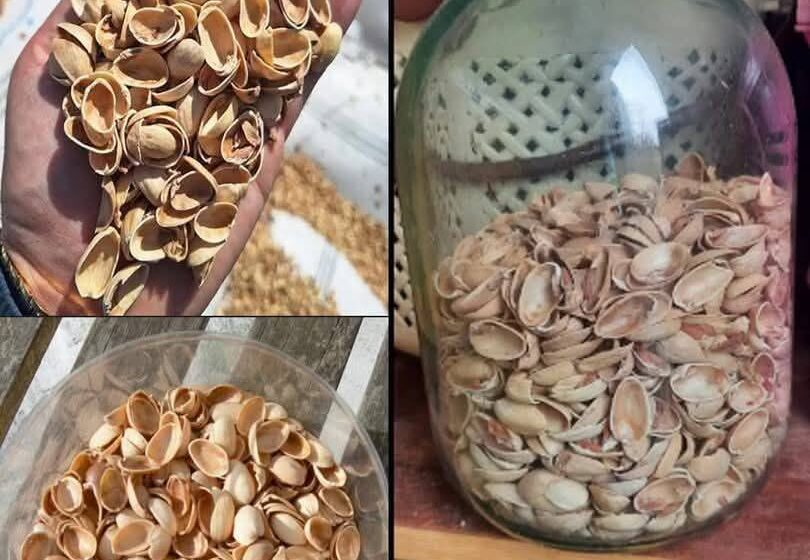
Pistachio shells often end up in the trash, but they can be reused in a practical, eco-friendly way in your garden. When properly cleaned and ground into a fine powder, pistachio shells can be used as a natural soil amendment and physical soil conditioner. This guide explains only proven, practical uses, with clear steps and realistic expectations.
Why pistachio shells can be useful in the garden
Pistachio shells are made mostly of lignin and cellulose, the same structural materials found in wood. This means they:
- Break down slowly, improving soil structure over time
- Help aerate compacted soil when finely ground
- Contribute small amounts of organic matter as they decompose
They are not a fertilizer and should not be treated as a nutrient replacement.
Step 1: Clean the shells properly
This step is essential.
Most pistachio shells sold for eating are salted, and excess salt can harm plants and soil microorganisms.
- Place the shells in a large bowl
- Rinse thoroughly with warm water
- Soak for 12–24 hours, changing the water once
- Rinse again and drain
Step 2: Dry the shells completely
Spread the shells in a single layer on a tray or baking sheet.
- Air-dry for 2–3 days, or
- Oven-dry at 200°F (95°C) for about 30–40 minutes
The shells must be completely dry before grinding.
Step 3: Grind into powder
To make pistachio shell powder:
- Use a strong blender, food processor, or coffee grinder
- Grind in small batches
- Aim for a fine, sand-like texture
The finer the powder, the safer and more useful it is for soil.
How to use pistachio shell powder in your garden
1. Soil conditioning (most effective use)
Mix the powder into garden soil or potting mix at a low rate:
- About 1–2 tablespoons per gallon of soil
This helps:
- Improve drainage in heavy soils
- Increase aeration around roots
- Reduce compaction over time
Best for:
- Raised beds
- Container plants
- Clay-heavy garden soil
2. Compost additive
Pistachio shell powder can be added to compost as a “brown” material.
- Mix with green materials (kitchen scraps, grass clippings)
- Use sparingly to maintain balance
Because shells break down slowly, powder works better than whole shells.
3. Mild abrasive pest barrier (limited use)
Coarsely ground shell material (not fine powder) can act as a physical deterrent for some soft-bodied pests when used as a surface layer.
- Use only around ornamental plants
- Avoid thick layers
- Not a guaranteed pest control method
What pistachio shell powder does not do
It is important to be realistic:
- ❌ It does not fertilize plants
- ❌ It does not significantly raise soil nutrients
- ❌ It does not replace compost or mulch
Its value is structural, not nutritional.
Safety and best practices
- Always remove salt before use
- Use small quantities only
- Do not apply directly to seedlings
- Avoid repeated heavy applications in the same soil
Final takeaway
Turning pistachio shells into powder is a simple, sustainable way to reuse kitchen waste and gently improve soil structure. When cleaned, finely ground, and used in moderation, pistachio shell powder can support healthier soil without harming plants.
It’s not a miracle amendment—but it is a smart, low-waste gardening habit that adds value where it counts most: the soil.
Enjoy !!!